
Buying guide
Dorm Clip-On Fan Noise and Roommate Etiquette (When Mist Makes It Worse)
A roommate-first guide to dorm clip-on fans: noise, night vs day speeds, loft and desk courtesy, when misting causes humidity complaints, and when to skip.
Editorial buying guide · Updated · ByDorm Room Compass Editorial Team ·Editorial policy ·Methodology
Start with the shared room, not the feature list
Buying guides on this site already cover how to choose a dorm clip-on fan and how to place and charge one on a loft, bunk, or desk. This page answers a different question: how do you run that fan without turning your roommate’s sleep, humidity comfort, or desk space into a conflict?
An 8-inch personal fan moves air across a limited zone. It will not cool the whole suite. It can, however, produce steady noise, vibrate a shared loft rail, blow papers off a desk, or push mist toward someone who did not ask for it.
We have not measured decibels or humidity for any model. Seller “quiet” claims are not independent tests. Treat etiquette as a roommate agreement problem first and a product-spec problem second.
Two Koonie formats already on this site
Use these reviews for listing facts; use this guide for shared-room behavior:
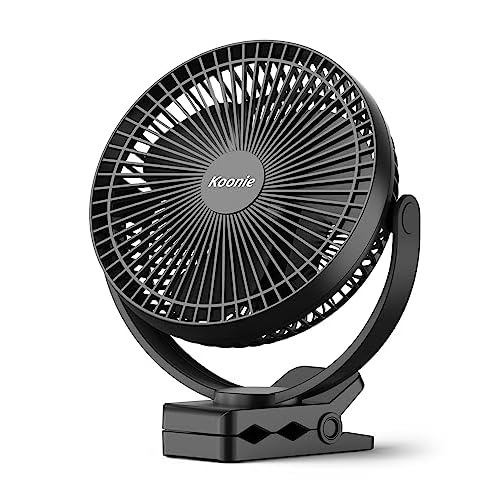
- Koonie 10000mAh clip-on fan — ASIN B08866RDYK (plain rechargeable clip-on)
- Koonie rechargeable misting fan — ASIN B0DS25SXZ3 (clip/desk format with mist)
Both use PartnerBoost tracking links on their product records. This etiquette page does not introduce other merchant CTAs.
Noise: what actually bothers people
Steady hum vs occasional bursts
Many roommates tolerate a low constant fan better than random speed changes at 1 a.m. Pick a night speed during daytime, when you can both hear it, and leave that setting alone after lights-out unless you agreed otherwise.
Vibration paths
A clip on a hollow loft rail or thin desk edge can turn a mild motor into a buzz you feel in the bed frame. If the rail hums, add a soft pad only if it does not weaken the clamp, or move the fan to a sturdier desk edge. Placement details live in the place-and-charge guide; the etiquette rule is simple: if your roommate can feel the vibration in their mattress, the mount is wrong for night use. A floor machine is a different path. If you are asking whether a plate belongs upstairs, start with can you use a vibration plate in an apartment or dorm.
Direction matters as much as volume
Air pointed at someone’s face while they sleep is a complaint even when the fan is “quiet.” Aim across your own sleep zone or desk chair. Do not default the fan toward the other bed “because it cools the room better.”
Roommate etiquette checklist (do this before move-in week ends)
- Ask about sleep sensitivity. Some people need near-silence; others sleep better with white noise. Do not assume your preference is shared.
- Agree on off-hours. Example: highest two speeds only before 11 p.m.; overnight limited to the lowest speed or off.
- Agree on desk rights. If the only solid clip point is their desk, that is a shared resource—ask before clamping.
- Write down charging nights. A dead fan that suddenly kicks on at full speed when plugged in is a classic 2 a.m. surprise. Charge on a schedule from the placement guide.
- Revisit after one hot week. Etiquette agreements fail in the first heat wave; schedule a quick check-in.
Housing appliance rules still win. Ithaca College’s residential-life appliance policy page is one example of how schools publish what is allowed; your campus document is the one that matters. A roommate agreement cannot override a ban.
When mist makes roommate problems worse
Misting feels attractive in dry heat. In a shared dorm it adds three conflict points:
| Mist downside | Why roommates care |
|---|---|
| Extra humidity | Sticky air, damp towels, condensation on windows |
| Spray drift | Mist on laptops, textbooks, or the other bed |
| Tank upkeep | Spills, stale water smell, counter clutter |
Choose the misting Koonie format only when both of you want occasional mist, electronics stay out of the spray path, and you will empty and clean the tank. If either person has asthma concerns, mold worries, or already runs a humidifier, default to the plain clip-on fan.
Misting is not a substitute for broken building A/C. Report building heat problems to residence staff.
Day study vs night sleep: two operating modes
Day / study mode
Higher speeds are usually fine if headphones and conversation already fill the room. Still avoid blasting loose papers across a shared desk. Point airflow at the person who asked for it.
Night / sleep mode
Prefer the lowest acceptable speed, stable aim, and no mist. If one person has an early class, treat the fan like an alarm: sudden changes are rude. If you cannot agree, the fan goes off overnight and you solve heat another way (building request, schedule time in cooler lounges, lighter bedding)—not by forcing a motor through someone else’s sleep.
Loft courtesy vs desk courtesy
Loft / bunk rail: Vibration and aim toward the lower bunk are the main risks. Check with the person below before overnight use.
Desk edge: Noise is often lower than a ringing rail, but cable trip hazards and blowing their materials become the etiquette issues. Keep charging cables out of walk paths (see the placement guide).
If neither spot is stable without annoying someone, you may not have a good clip-on use case. That is a valid no-buy or no-use outcome.
Who should skip running a fan overnight
- Your roommate needs silence and you cannot agree on a low-speed rule.
- The only mount vibrates the shared bed frame.
- You wanted mist mainly for TikTok aesthetics, not a shared comfort plan.
- Housing policy restricts the device type you bought—return or store it rather than arguing.
For broader buy-or-skip filters, use the dorm room buying checklist. For airflow versus filtration jobs, see dorm fan vs air purifier. If the device running overnight is an air purifier instead, the same night-setting conversation applies; see the quietest air purifier setting for sleeping in a dorm.
Decision sequence
- Confirm you need personal airflow, not whole-room A/C.
- Pick plain clip-on vs mist using the choose guide—with roommate humidity veto power on mist.
- Set placement and charging with the place-and-charge guide.
- Negotiate night speed, aim, and off-hours before the first heat wave.
- If etiquette fails after a good-faith trial, stop overnight use; do not escalate with more mist or higher speeds.
How we approached this guide
This page uses the same Koonie listing identifiers as our existing reviews (B08866RDYK and B0DS25SXZ3) plus public housing-policy context from Ithaca College’s appliance page as an example of residence rules. We have not tested noise, mist output, or clamp vibration. Seller quiet claims and battery runtimes remain unverified here.
Bottom line
A dorm clip-on fan is a personal comfort tool inside a shared sleep space. Agree on speed, aim, vibration, and mist before you rely on it overnight. The plain clip-on format is usually the lower-drama roommate choice; mist is optional only with consent and careful cleanup. Etiquette is part of the product decision—not an afterthought.
Product-selection path
Products referenced in this guide
Students who need direct personal airflow near a desk or bed where outlet access or surface space is limited.
- Best for
- Students who need direct personal airflow near a desk or bed where outlet access or surface space is limited.
- Before buying
- Confirm the current listing details.
Skip if: You need whole-room cooling, have no stable clamp point, or prefer a plug-in fan that does not require charging.
What to verify before buying
Product listings can change. Check the exact variant, size, ingredient or material information, directions, warnings, seller, return terms and current availability before buying.
Last checked: 2026-08-31. This page does not present hands-on product testing.
- Source: Amazon product listing (ASIN B08866RDYK)
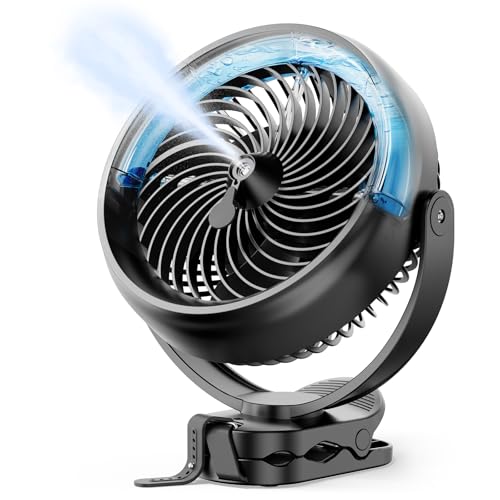
A student who needs personal airflow where an outlet is inconvenient and has a stable, spill-conscious place to use the fan.
- Best for
- A student who needs personal airflow where an outlet is inconvenient and has a stable, spill-conscious place to use the fan.
- Before buying
- Confirm the current listing details.
Skip if: You want whole-room cooling, dislike charging and tank cleaning, or your indoor setup makes mist impractical.
What to verify before buying
Product listings can change. Check the exact variant, size, ingredient or material information, directions, warnings, seller, return terms and current availability before buying.
Last checked: 2026-08-31. This page does not present hands-on product testing.
- Source: Amazon product listing (ASIN B0DS25SXZ3)
Approved sources
- Amazon product listing (ASIN B08866RDYK)
- Amazon product listing (ASIN B0DS25SXZ3)
- Source
FAQ
Will a rechargeable clip-on fan keep my roommate awake?
It can. Motor hum, blade whoosh, and vibration through a loft rail or desk all travel in a small room. Agree on night speeds and off-hours before the first late study session—not after a complaint.
Does misting help or hurt shared-room comfort?
Mist only helps if both people want extra moisture and you can keep spray off electronics and bedding. In already humid weather, mist often adds sticky air and cleanup without solving heat.
Which Koonie format is easier on roommates?
A plain clip-on fan usually means fewer variables: no tank spills, no spray drift. Choose mist only when you will use it carefully and your roommate agrees.